In an increasingly interconnected world where data flows across borders seamlessly, navigating the complex terrain of data transfer regulations becomes paramount.
African countries, like their European counterparts, prioritize data protection and privacy. While similarities exist with the General Data Protection Regulation (GDPR), there are distinct nuances in how African nations regulate data transfers.
<aside> ⚖️
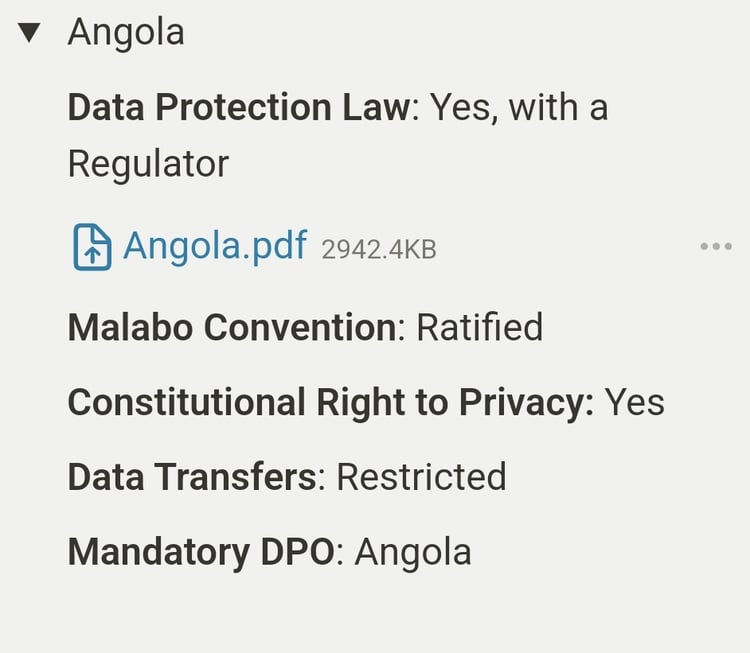
Access Africa Country Data Protection Laws and Country Fact Sheets
</aside>
Unlike the European Commission's approach, which assesses data transfers based on recipient countries' data protection laws' adequacy, African countries employ varied strategies. Some nations, for instance, outright prohibit data transfers, citing concerns over data sovereignty and security. In contrast, others opt for a more nuanced approach, imposing stringent requirements, particularly in Francophone countries.
Francophone African countries, including Algeria, Angola, Botswana, Burkina Faso, Egypt, and Tunisia, often set the bar high with stringent data transfer regulations. These regulations frequently include mandates for data localization and residency, compelling organizations to store data within the country's borders. Such measures aim to bolster data protection and promote local data infrastructure development.
In many African states, data transfer obligations come with conditions. Controllers must demonstrate compliance with specific criteria before initiating transfers. This approach places responsibility on organizations to uphold data protection standards, with regulators overseeing adherence. By imposing conditions, these countries seek to strike a balance between fostering data flows and safeguarding privacy rights.
Algeria stands out for its case-by-case approval process for data transfers. Organizations must seek approval from the regulator, subject to meeting predetermined conditions. This meticulous approach aims to ensure that data transfers align with national data protection objectives while accommodating legitimate data flow needs.
In Nigeria and Botswana, data transfers are subject to prohibitions unless adequacy decisions are issued by regulators. This framework underscores the importance of data protection assessments and regulatory oversight in facilitating international data flows. It also reflects a cautious approach to data transfers, prioritizing the protection of individuals' rights and interests.
While these regulations position African countries as potential leaders in data protection and security within the region, they also present challenges. Striking a balance between regulatory compliance and facilitating data-driven innovation is crucial. Moreover, enforcement mechanisms must be robust to ensure effective implementation of data transfer regulations.
<aside> 📖
Considerations before undertaking Data Transfers in Africa
</aside>
As African countries continue to refine their data protection frameworks, monitoring the evolving landscape is essential. Stakeholders must stay abreast of regulatory developments and compliance requirements to navigate the intricacies of data transfer regulations effectively. Collaboration between governments, businesses, and civil society can foster a conducive environment for data-driven innovation while safeguarding privacy rights.
<aside> 💡
Looking for expert guidance on data protection compliance?
📧Contact us today at [email protected] to learn more.
</aside>
In the dynamic landscape of data transfer regulations, African countries are carving out their unique paths. While similarities with the GDPR exist, distinct approaches reflect regional priorities and challenges. By understanding and navigating these regulations, stakeholders can foster responsible data practices and promote sustainable innovation across the continent.
The materials on this website are intended to provide a general summary of the law and do not constitute legal advice. You should consult with counsel to determine applicable legal requirements in a specific fact or situation.