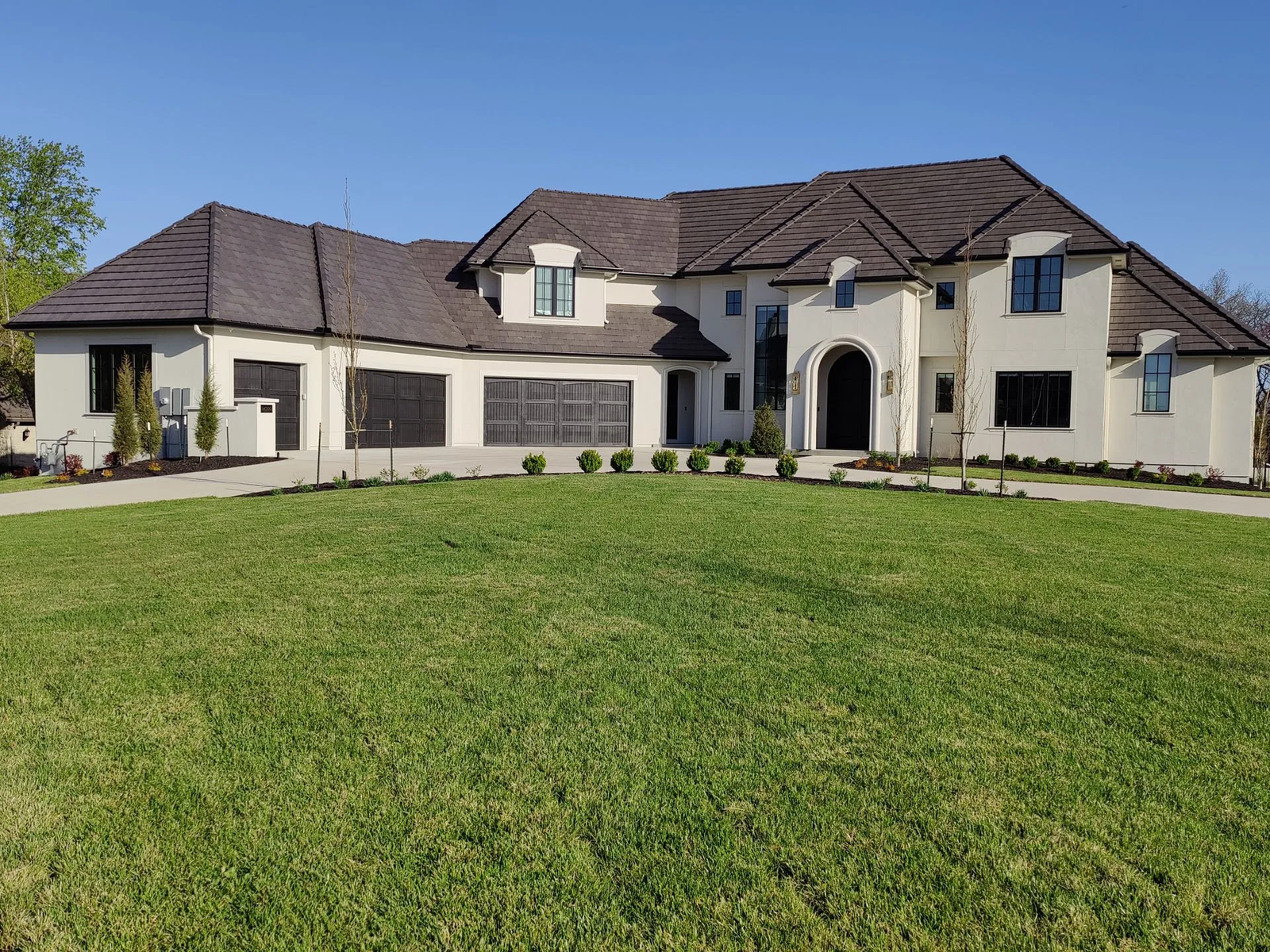
Investing in timely tile roof repair in Johnson County, KS prevents severe structural damage by preserving the water-resistant barrier of your home before seasonal weather extremes strike. When clay or concrete tiles crack, slip, or break, they expose the underlying waterproof membrane to ultraviolet degradation and moisture.
Addressing these localized failures immediately stops water migration, which prevents rotted roof decking, ruined insulation, mold growth, and compromised foundations. Proactive maintenance ensures your heavy tile system remains structurally supported, saving you from catastrophic structural failures and premature replacement costs.
Ever heard the old saying that a stitch in time saves nine? When you are managing an intricate roofing system, ignoring a small cracked tile is practically rolling out the red carpet for costly structural headaches down the road. Small gaps allow water to pool silently beneath the surface, destroying building materials long before a leak becomes visible on your ceiling. Taking action early keeps your home secure, preserves your property value, and ensures your family stays completely safe from environmental hazards.
If you think ignoring a tiny water spot on your ceiling is saving money, you might want to brace your wallet for a massive impact. Water is incredibly sneaky because it rarely travels in a straight line, meaning a spot over your garage could originate from a displaced tile over your bedroom.
Once moisture breaches the outer barrier, it continuously saturates your wooden rafters, triggering deep wood rot and weakening the structural integrity of your entire house. Before you know it, a simple fix escalates into major interior reconstruction, ruined family heirlooms, and mold remediation bills that will make your eyes water.
The long-term financial consequences of ignoring these warning signs almost always eclipse the initial cost of a professional inspection. Homeowners often delay calling a professional because they assume the issue is minor or self-contained.
However, moisture trapped within your insulation destroys its thermal efficiency, forcing your heating and cooling systems to work twice as hard. This structural neglect ultimately leads to inflated monthly utility bills and creates an unhealthy indoor environment for everyone living inside the property.
The volatile weather patterns experienced across Kansas City bring unique challenges, ranging from scorching summer heat waves to freezing winter blizzards. When water seeps into tiny hairline fractures in your tiles and freezes, it expands rapidly during the freeze-thaw cycle, causing the material to spall or shatter completely.
This cyclical environmental stress demands regular vigilance from property owners who want to avoid sudden, catastrophic structural leaks. Securing professional tile roof repair in Johnson County, KS ensures these hidden vulnerabilities are spotted and sealed before the next major storm rolls through the region.
Furthermore, strong windstorms can lift poorly secured pieces, leaving the vulnerable underlayment completely bare against the next heavy downpour. Once wind-driven rain gets underneath the primary barrier, the degradation of your structural decking accelerates exponentially.
Debris from nearby trees can also strike the surface, causing hairline cracks that are invisible from the ground level. Routine professional assessments help identify these compromised sections early, protecting your underlying home infrastructure from unexpected weather events.
While traditional clay and concrete tiles are celebrated for their incredible aesthetic appeal and longevity, homeowners often weigh them against alternatives like modern vinyl roofing or classic composition shingles.
Every material brings its own unique set of strengths and distinct vulnerabilities to the local building landscape. For those managing historic or high-end properties, All American Roofing provides specialized expertise to ensure your premium materials are handled with absolute precision and care. No matter what material shields your home, neglecting basic upkeep is a guaranteed recipe for premature failure.
| Roofing Material Type | Expected Lifespan | Primary Weather Vulnerability | Maintenance Profile |
|---|---|---|---|
| Tile Roofing | 50 - 100 Years | Heavy Impact & Freeze/Thaw Cycles | Low (But requires expert handling) |
| Composition Shingles | 20 - 30 Years | High Winds & Algae Growth | Moderate (Prone to granule loss) |
| Vinyl Roofing | 20 - 25 Years | Extreme UV Exposure & Punctures | Low (Mainly commercial/flat uses) |
Choosing the right material requires a careful balancing act between your upfront budget, aesthetic preferences, and long-term maintenance expectations. Composition shingles offer excellent initial affordability but require more frequent inspections due to wind damage risks.