<aside> ⚔️
▸ THE WIKI
TCF is a modular, component-based combat system for Unreal Engine 5 — the weight, the rhythm, the consequence, delivered as a plugin.
TCF V2.0 · Unreal Engine · Battle-tested in Kaidan, Knight's Path, Crimson Oath, and the DS3 demo.
</aside>
https://www.youtube.com/watch?v=IZpP_XRDcjo
<aside> 🎬
▸ THE PROOF OF CONCEPT
Before we ask anyone to trust the framework with their game, we prove it against the gold standard. The DS3 demo is a reconstruction of Dark Souls III combat — timing, stagger, lock-on, stamina — assembled entirely with TCF as the backbone.
If TCF holds up here, it holds up in your project.
https://www.youtube.com/watch?v=zocVP3fEbfc
</aside>
These are real action games being built with TCF powering their combat — three different studios, three different visions, one shared core.
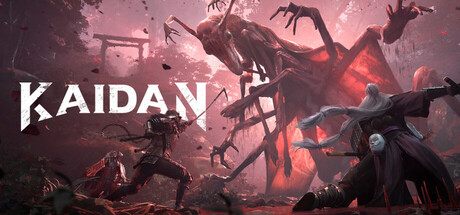
Kaidan
<aside> ⚔️
Brutal Japanese dark fantasy twisted by cosmic horror. Strategise carefully as you endure a relentless descent into madness, where every moment is a vicious fight to survive.
▸ 5th Column Studio · Action / Adventure
</aside>
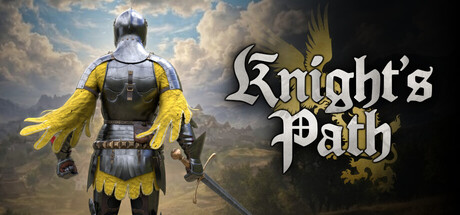
Knight's Path
<aside> 🛡️
Story-driven action RPG inspired by the Holy Roman Empire. HEMA-grounded combat, hand-crafted low-fantasy world, and deep progression where mastery is earned through practice.
▸ Jan Tichota & Aamn Chahrour · Action RPG
</aside>
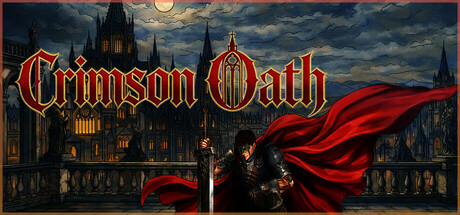
Crimson Oath
<aside> 🩸
Long may the sun shine — prepare to suffer. Souls-like combat adventure with Mikiri counters, parries, and 12 boss battles across a continent of warring sects.
▸ Parry Frames Team · Action / Souls-like
</aside>
From a button press to a kill — the full pipeline at a glance. The attacker produces an attack property; the receiver classifies it via their defense property, then routes the result through attributes, impact effects, events, and feel. Pin this to your second monitor.
<aside> 🖼️

</aside>
<aside> ⚔️
▸ ATTACKER PIPELINE
▸ Input → Buffer — input lives long enough to be consumed.
▸ State → Ability — broad mode picks the specific move.
▸ Montage → Notify — animation declares the active frames.
▸ Collision Manager — trace produces an Attack Property and delivers it in coordination with receiver defense property.
</aside>
<aside> 🛡️
▸ RECEIVER PIPELINE
▸ Combat Component — receives the Attack Property.
▸ Defense Property — classifies hit / block / parry / dodge.
▸ Attributes apply changes · Impact Effect plays the reaction.
▸ Events broadcast → Feel runs hit-stop, shake, slow-mo.
</aside>
Most combat systems lock you into a single approach — change one thing and ten others break. TCF takes the opposite path. Every system is a self-contained component (State Manager, Ability System, Targeting, Collision, Combat, etc.) that you can use, extend, or replace independently.