What is dig?
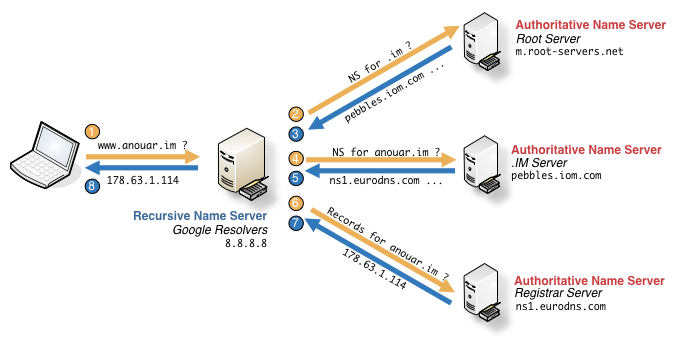
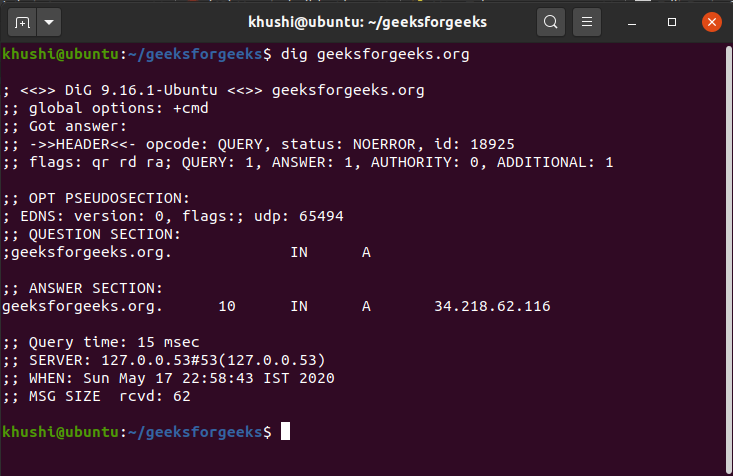
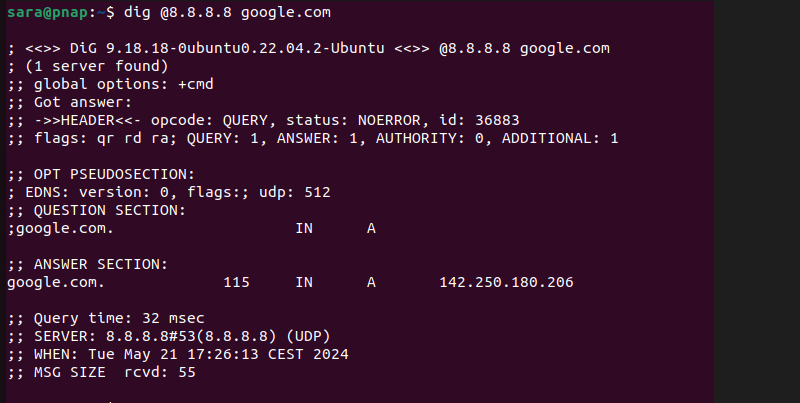
dig (Domain Information Groper) is a powerful command-line DNS lookup utility part of BIND, used for querying DNS name servers to retrieve records (A, AAAA, MX, NS, TXT, etc.), tracing resolution paths, performing reverse lookups, and debugging DNS configurations. It provides detailed, structured output with sections like HEADER, QUESTION, ANSWER, AUTHORITY, and ADDITIONAL. Key characteristics include flexibility with custom servers, query types, options (+trace, +short), batch mode, and superior verbosity compared to nslookup.


Why Understand dig?
- Gold standard for DNS troubleshooting: Detailed output reveals full resolution process, flags, and timings.
- Offensive relevance: Preferred tool in reconnaissance for enumerating subdomains, records, and infrastructure mapping.
- Defensive importance: Misconfigured zones allow transfers, exposing internal hosts/IPs.
- More capable than nslookup: Better control, scripting-friendly, and widely available on Unix-like systems.
Proficiency with dig is essential for accurate DNS intel and secure configurations. 🔒
Common Use Cases
- Standard record lookups (A, MX, TXT for SPF/DMARC).
- Tracing full DNS delegation path from root servers.
- Reverse DNS lookups for IPs.
- Batch queries from files for large-scale recon.