What is telnet?
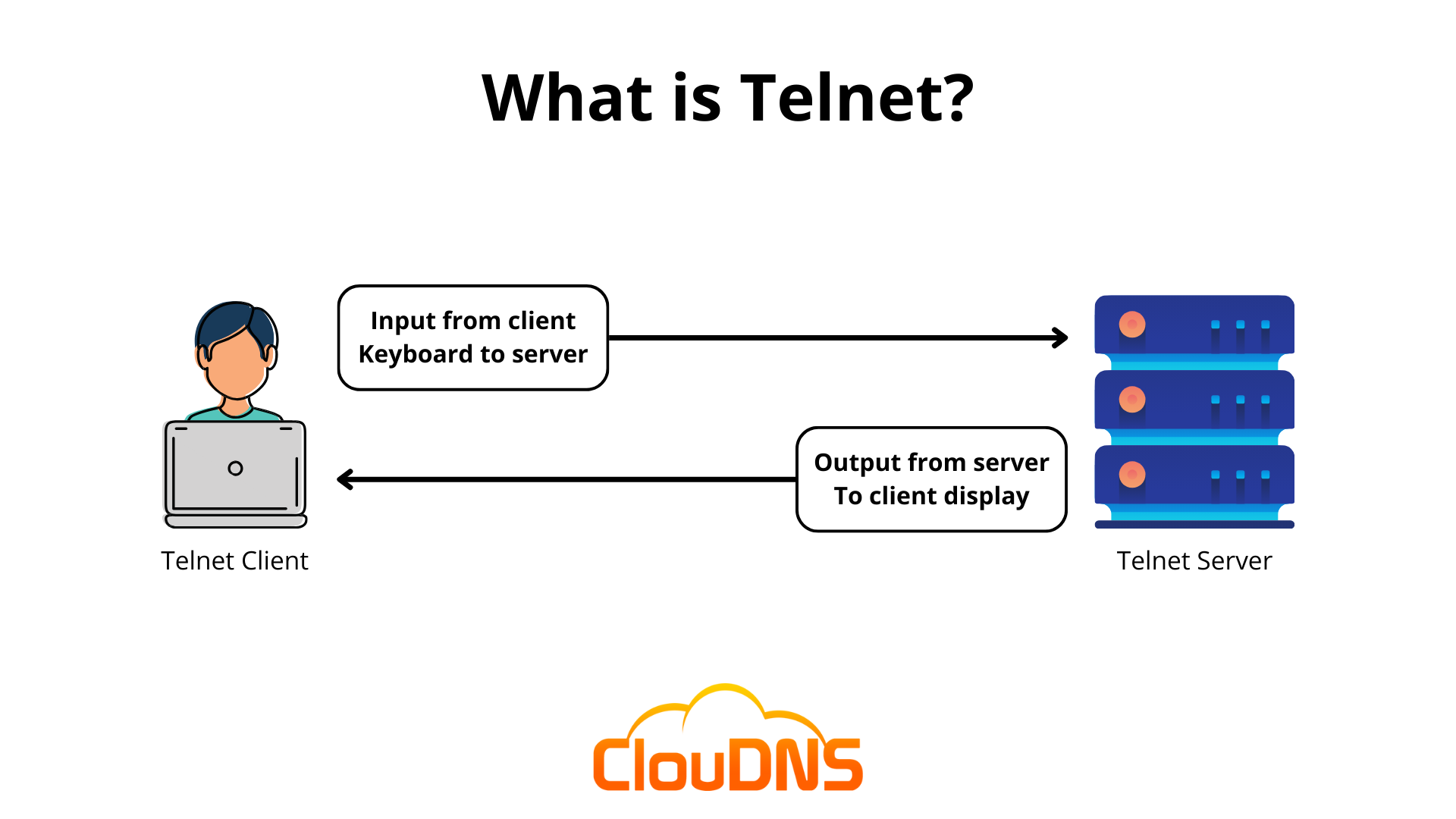
telnet is a legacy client-server protocol (port 23) and command-line tool providing bidirectional text-oriented communication using a virtual terminal connection over TCP. It allows remote login to hosts, executing commands as if directly connected, but transmits all data—including usernames and passwords—in cleartext. Key characteristics include simple negotiation of options (via Network Virtual Terminal - NVT), cross-platform availability, and obsolescence due to lack of encryption.

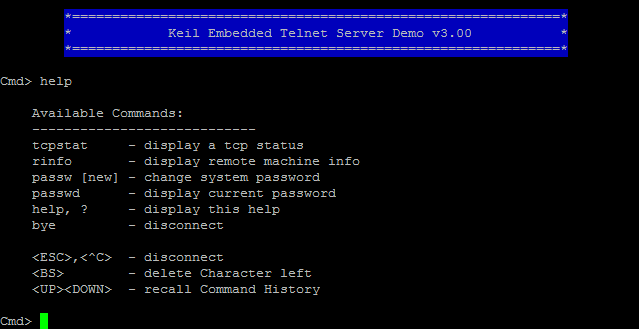
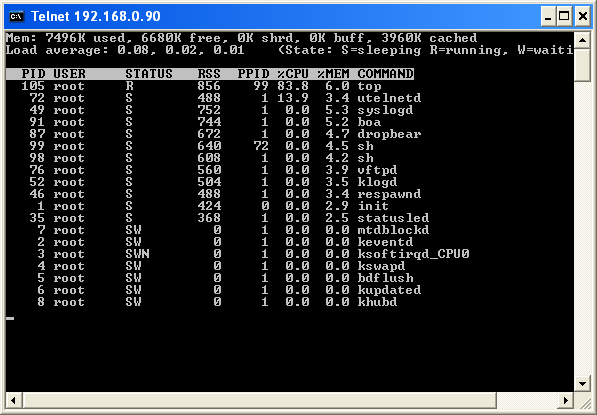
Telnet Session Screenshot
Why Understand telnet?
- Historically fundamental for remote administration before secure alternatives.
- Offensive relevance: Primary method for manual banner grabbing to identify services/versions during reconnaissance.
- Defensive risks: Plaintext transmission enables easy eavesdropping, credential sniffing, and man-in-the-middle attacks.
- Still found on legacy systems; exposure indicates severe security gaps.
Avoid telnet in production—its insecurity makes it a red flag in modern environments. 🔒
Common Use Cases
- Manual testing of non-HTTP services (SMTP, POP3, IMAP) by connecting to ports.
- Banner grabbing to fingerprint servers.
- Debugging simple text-based protocols.
- Legacy device management (routers, switches with telnet enabled).


Exploitation Examples
Banner Grabbing